

Undeniably, it’s always your design portfolios that show who you are and what you can do. Not to mention that, they tell clients about your style, ideas, and skills. But also, a strong portfolio helps people trust your work and bring new clients who love your designs.
Likewise, Adobe’s Creative Trends Report (2024) discusses, “78% of clients decide in less than 30 seconds if they want to contact a designer.”
So, your design portfolios must look clear, simple, and professional. In this way, you can grab the attention within 30 seconds. Let’s learn how to make them better step by step.
What Layout Styles Work Best for Modern Design Portfolios
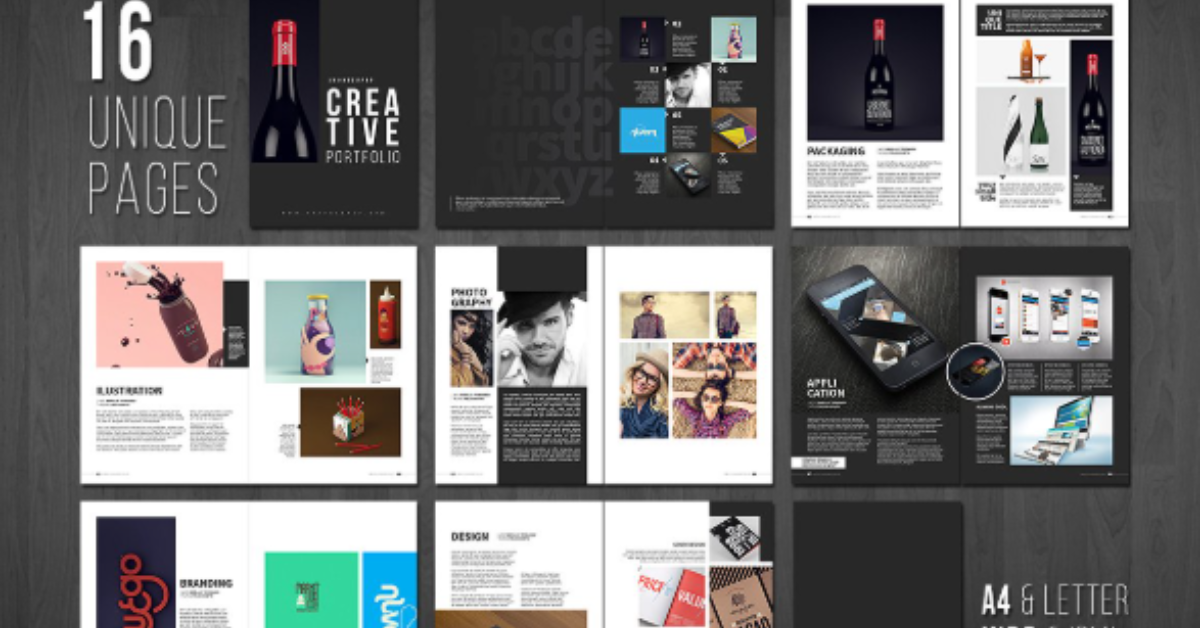
To clarify, the layout is how your work appears on the screen. Although, a good layout helps people view your projects easily. However, a messy one can confuse them and make them leave quickly. Thus, here are the specific details you must follow!
Layout Styles
| Layout Style | Best For | Why It Works |
| Grid Layout | Web and graphic designers | Keeps projects neat and balanced |
| Masonry Layout | Photographers and artists | Makes images look natural and artistic |
| One-Page Scroll | Freelancers and small teams | Easy to explore without many clicks |
| Split-Screen | UX/UI designers | Shows images and text side by side |
In short, simple layouts work best because they highlight your art. As a result, visitors focus on your creativity instead of the layout itself.
Types of Design Portfolios (Digital, Creative, Personal, Business)

Subsequently, there are many kinds of design portfolios. Thus, each type has a special purpose.
Types of Portfolios
| Type | Best For | Main Purpose |
| Digital Portfolio | Freelancers | Easy to update and share online |
| Creative Portfolio | Artists | Focuses on imagination and visuals |
| Personal Portfolio | Students | Builds personal identity |
| Business Portfolio | Companies | Shows services and client results |
Also, if you want to reach the right audience, follow the Digital Marketing Core Fundamentals. In this way, it helps you promote your work better.
Key Elements of a Professional Design Portfolio

Although, it’s true that every strong portfolio has important sections. However, you need to keep in mind what makes it professional and trustworthy. For instance, here are some of the elements and their descriptions to optimize your design portfolios.
Key Elements
| Element | Description |
| Introduction | Short paragraph about you and your goals |
| Best Projects | Six to ten top works that show your skills |
| Case Studies | Step-by-step stories of your creative process |
| Testimonials | Client feedback that adds trust |
| Contact Info | Email or number to reach you easily |
Therefore, when you combine these parts, your design portfolios look well-balanced and easy to follow. As a result, you will only achieve success on your targeted goals.
What Should Students Include in Design Portfolios
Apart from that, students can build great portfolios too. In the same vein, you don’t need client work to start. However, you can add class projects, experiments, or volunteer designs.
For example, include work you made in your UX/UI Course. Furthermore, if you’re new, read the UI UX designer complete guide. As a result, it helps you plan your portfolio from the beginning.
In addition, you must try to use simple language to explain what you made and why. As a result, this makes your portfolio more personal and clearer.
Which Platform Is Best for Creating Digital Portfolios
In the same way, choosing a good platform matters because it affects how your work looks and loads. So, let’s get started with this too:
Best Platforms
| Platform | Best For | Key Feature |
| Behance | Designers and artists | Free and very popular |
| Dribbble | UX/UI designers | Great for prototypes |
| WordPress | Developers | Fully customizable |
| Wix / Squarespace | Beginners | Drag-and-drop tools |
| Adobe Portfolio | Photographers | Works with Adobe software |
In addition, you can study data to see what works best. So, you need to learn these skills through Data Analytics too. As a result, it helps you understand how people interact with your site.
Common Mistakes to Avoid in Design Portfolios
That is to say, even experienced designers make mistakes. Therefore, knowing them helps you avoid losing clients.
- Showing too many projects.
- Forgetting about mobile viewers.
- Using long or unclear text.
- Keeping old work.
- Missing your contact details.
According to Nielsen Norman Group (2023), 57% of visitors leave websites when they can’t find what they need. So, keep your design portfolios clean and easy to move through. In this way, you won’t lose your clients.
How to Use Design Portfolios to Attract Clients
Certainly, your design portfolios can bring real clients if you use them wisely. Due to this, you need to add short stories with your projects. Also, use clear call-to-action lines like “Let’s work together.”
Moreover, share your portfolio on social media. In this way, you can also make it easier to find by learning from the SEO Course. All in all, that will help more clients discover your designs online.
Design Portfolio Ideas for Beginners
Most importantly, if you’re new, keep things simple. Such as, use plain backgrounds, short text, and consistent fonts.
Moreover, the Canva Design Report (2024) found that portfolios with stories get 42% more engagement. So, explain what inspired your work. Also, show before-and-after results whenever possible.
Case Study: A Freelancer Who Boosted Client Leads
Aisha, a young freelancer, had many designs but few leads. Not to mention that, her old site looked crowded. But also, it was really tough to understand the services she was providing. However, after understanding the loopholes, she simplified it. As a result, things changed for better.
Case Study Example
| Step | Change | Result |
| Simplified Layout | Switched to 3-column grid | Easier to view |
| Added Call-to-Action | “Hire Me” button | 25% more messages |
| Wrote Case Studies | Five simple stories | 60% more leads |
As you can see, small updates made her design portfolios more effective and helped her get clients faster. So, if you also make the optimized changes, you would get clients easily too.
Design Portfolios for Students
Above all, students can build strong portfolios early. Add school work, personal projects, and creative mockups. Similarly, you can also use free templates from Free portfolio website. Not to mention that, you do that. But also, you can mention your learnings from the Digital Marketing Course or any other. In this way, these efforts will prepare you for further Digital Marketing Job Opportunities in the future.
Portfolio Templates and Free Online Portfolio Sites
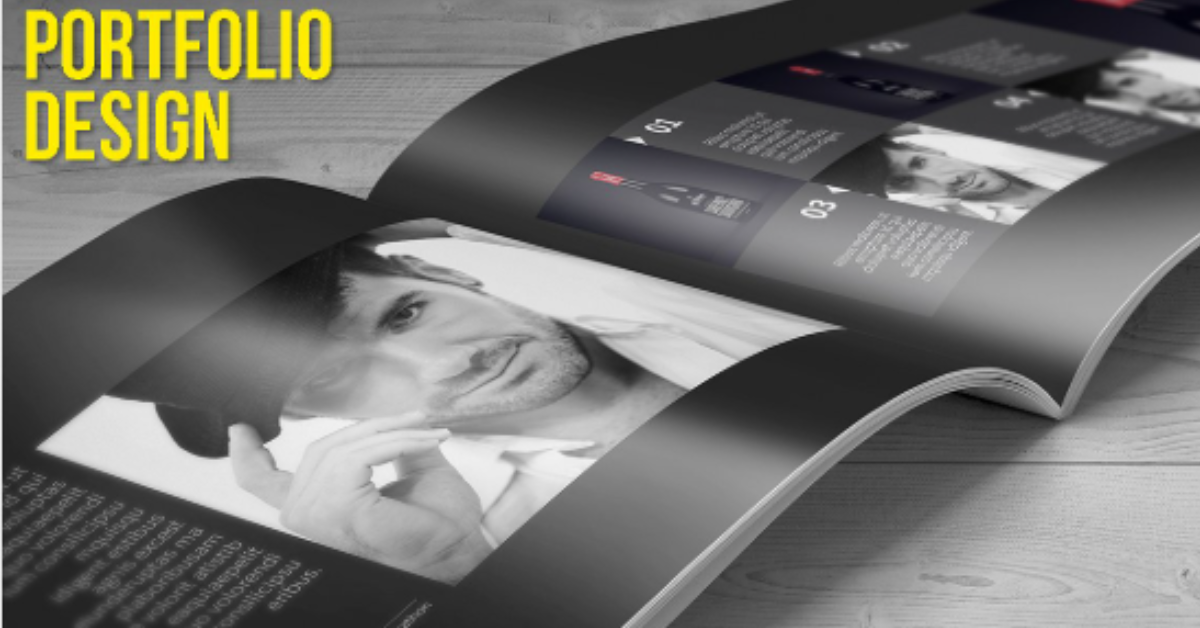
Although, there are many tools you can use. In which, some of them are very costly too. However, free tools can help you build design portfolios quickly. Not to mention that, they save time. But also, they make editing easy for you.
Free Platforms
| Platform | Type | Free Plan | Highlight |
| Wix | Template-based | Yes | Beginner-friendly |
| Notion | File + Site | Yes | Simple layout control |
| Google Sites | Web | Yes | Fast and free |
| Behance | Platform | Yes | Connects you globally |
Thus, after you finish your portfolio, promote it using the Affiliate Marketing Guide. As a result, it will help you reach more people online.
Common Principles of Design to Remember
Apart from that, good design portfolios follow simple design rules. Such as, they have perfect:
- Balance – Keep space even.
- Contrast – Highlight key points.
- Repetition – Use similar styles.
- White Space – Let designs breathe.
- Emphasis – Show your best work first.
Smashing Magazine (2023) says that 90% of great portfolios follow these five principles. Similarly, you have to use the same tactic to make your portfolio great.
How to Make Design Portfolios SEO-Friendly
That is to say, SEO helps more people find your work online. Thus, you need to use clear titles and describe your images with short words. For instance, you can learn advanced techniques from the 10 Powerful SEO tools. As a result, this will elevate your understanding and become useful for Highly paid jobs.
Also, write short blogs about your design process. This builds trust and keeps your site active.
Conclusion
In a nutshell, your design portfolios speak for you. Not to mention that, they show your ideas. But also, they praise about your effort. Therefore, you need to keep them clean, short, and creative. As a result, people will enjoy browsing your work.
So, if you stay consistent and keep learning, your portfolios will bring more opportunities and clients.